
Energy & Carbon Products
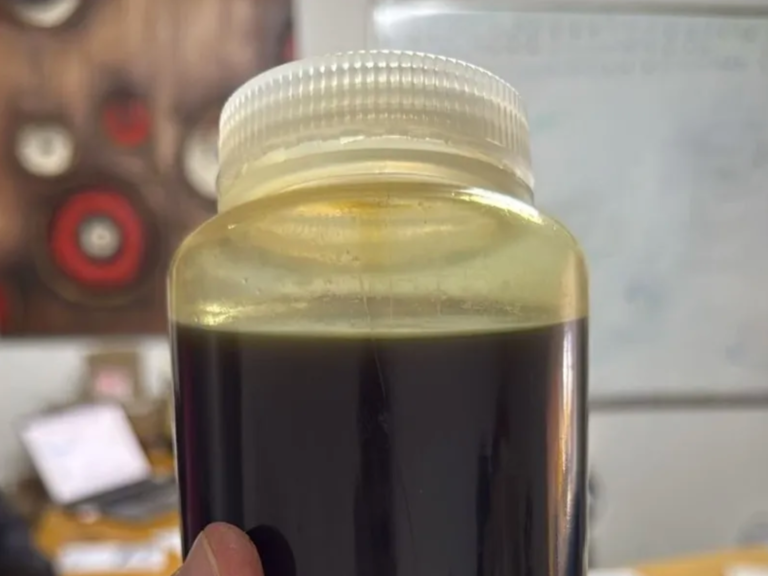
Pyrolysis Oil
Carbon Circularity converts end-of-life tyres and difficult-to-recycle plastics into a range of energy and material products using advanced pyrolysis technology. These outputs can be used as inputs to existing industrial systems, helping displace virgin resources and reduce reliance on landfill, export or low-value disposal.
Our focus is on producing consistent, auditable outputs that can be integrated into real markets, rather than speculative or experimental products.
Process Gas
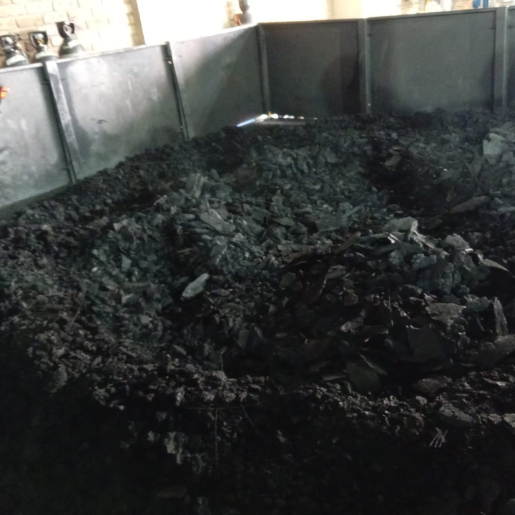
Recovered Carbon (Char / Recovered Carbon Black)
Solid carbon material is recovered from the process once thermal conversion is complete. Depending on feedstock and post-processing, this recovered carbon can be suitable for use in:
- Construction materials (e.g. asphalt, concrete blends)
- Industrial applications
- Agricultural or soil-conditioning uses
- Secondary carbon products, subject to specification
Recovered carbon offers a pathway to retain material value from tyres and plastics that would otherwise be lost through burning or disposal.
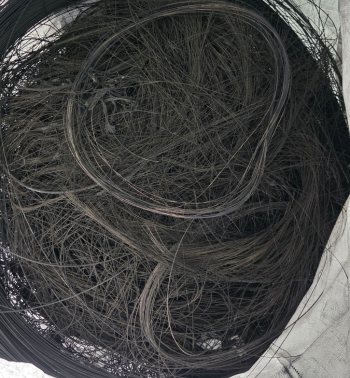
Recovered Steel & Mineral Residues
For tyre processing, embedded steel is separated and recovered as a metal stream suitable for established recycling markets. Mineral residues and ash fractions may also be recovered, depending on feedstock, and assessed for potential secondary uses.
Market-Led, Evidence-Based Approach
Carbon Circularity develops product pathways based on market demand, technical suitability and regulatory acceptance. Outputs are matched to end-uses that already exist, rather than relying on future or unproven markets.
This approach supports:
- Traceability and auditability
- Real displacement of virgin materials or fuels
- Practical circular-economy outcomes